
Table of Contents
ToggleThe best kitchen and bathroom worktops depend on durability, moisture resistance, heat resistance, maintenance, and budget. Quartz is a practical all-round choice for both rooms because it is non-porous and stain-resistant. Granite offers excellent heat resistance for kitchens, while porcelain and solid surface worktops are well suited to moisture-heavy bathrooms. Laminate provides a budget-friendly alternative, and solid wood adds natural warmth to traditional kitchens.
Best Kitchen and Bathroom Worktop Materials Compared
| Material | Indicative Cost per m² | Main Benefits | Limitations |
|---|---|---|---|
| Laminate | £60–£100 | Affordable, easy to clean | Vulnerable to heat and water damage at joints |
| Quartz | £400–£500 | Non-porous, stain-resistant, durable | Sensitive to excessive heat |
| Granite | From £300 | Natural patterns, strong heat resistance | Some varieties require sealing |
| Solid Wood | £150–£300 | Natural warmth, repairable surface | Requires regular moisture protection |
| Solid Surface | Varies by design | Nearly seamless joins, integrated sinks | Scratches and heat sensitivity |
| Porcelain / Sintered Stone | Premium pricing | Excellent heat, stain, and water resistance | Specialist installation and potential edge chipping |
Prices are indicative UK material estimates, not verified current quotations. Thickness, supplier, fabrication, and installation costs can change the total.
Best Worktop Materials for Kitchens
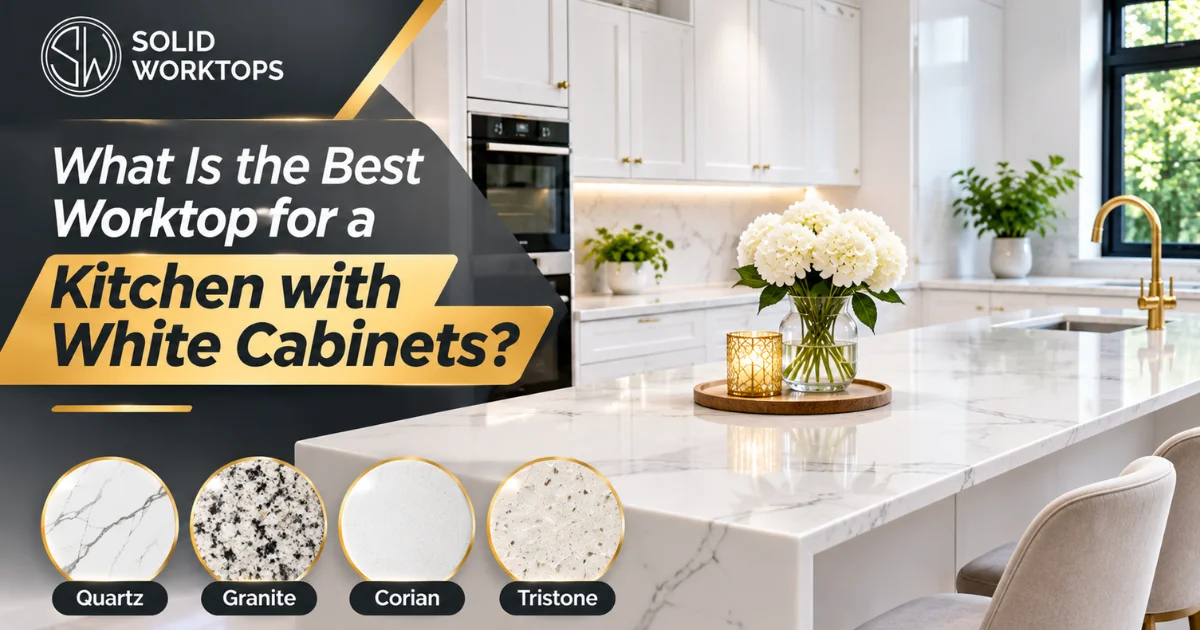
Quartz: Ideal for busy kitchens because it resists everyday stains and requires no sealing.
Granite: Offers distinctive natural patterns, strong durability, and good heat resistance.
Porcelain: Suitable for high-use cooking areas requiring heat-resistant, low-maintenance surfaces.
Solid Wood: Adds warmth to traditional kitchens and can be refinished when scratched.
Laminate: Provides affordable stone-effect and wood-effect finishes for budget renovations.
Best Worktop Materials for Bathrooms
Quartz: Non-porous and stain-resistant, making it suitable for frequently used bathroom vanity units.
Solid Surface: Supports integrated basins, discreet joints, and easy cleaning.
Porcelain: Provides excellent moisture resistance and good protection against heat and everyday stains.
Granite: Creates a premium natural appearance, although some varieties need sealing.
Compact Laminate: Offers a cost-effective option when suitable for bathroom use and correctly sealed around cut-outs.
Kitchen vs Bathroom Worktop Requirements
| Factor | Kitchen Worktops | Bathroom Worktops |
|---|---|---|
| Main Priority | Heat, scratch, and stain resistance | Moisture and stain resistance |
| Common Exposure | Hot cookware, knives, food spills | Water, cosmetics, soap, styling tools |
| Practical Materials | Quartz, granite, porcelain | Quartz, solid surface, porcelain |
| Budget Option | Laminate | Bathroom-rated compact laminate |
| Maintenance Focus | Spill removal and heat protection | Water removal and joint protection |
Key Factors When Choosing Kitchen and Bathroom Worktops
Water resistance: Choose non-porous materials for areas exposed to frequent splashes and humidity.
Heat resistance: Granite and porcelain tolerate high temperatures better than quartz, laminate, or acrylic solid surfaces.
Scratch resistance: Quartz, granite, and porcelain provide good resistance to everyday surface wear.
Maintenance: Quartz and porcelain require little upkeep, while timber needs regular protection.
Appearance: Match worktop colours, patterns, and finishes with your cabinets, tiles, and room design.
Budget: Compare material costs alongside fabrication, sink cut-outs, delivery, and professional fitting.
Which Worktop Material Offers the Best Value?
Best all-rounder: Quartz combines stain resistance, durability, and low maintenance.
Best for kitchen heat resistance: Granite and porcelain offer strong performance.
Best for bathrooms: Quartz, solid surface, and porcelain resist moisture effectively.
Best for smaller budgets: Laminate provides an affordable kitchen worktop option.
Best for seamless designs: Solid surface allows discreet joints and integrated sinks.
Best for traditional interiors: Solid wood provides natural warmth and a repairable finish.
What Should You Check Before Buying Worktops?
Measure the available space: Confirm worktop length, depth, thickness, and required cut-outs.
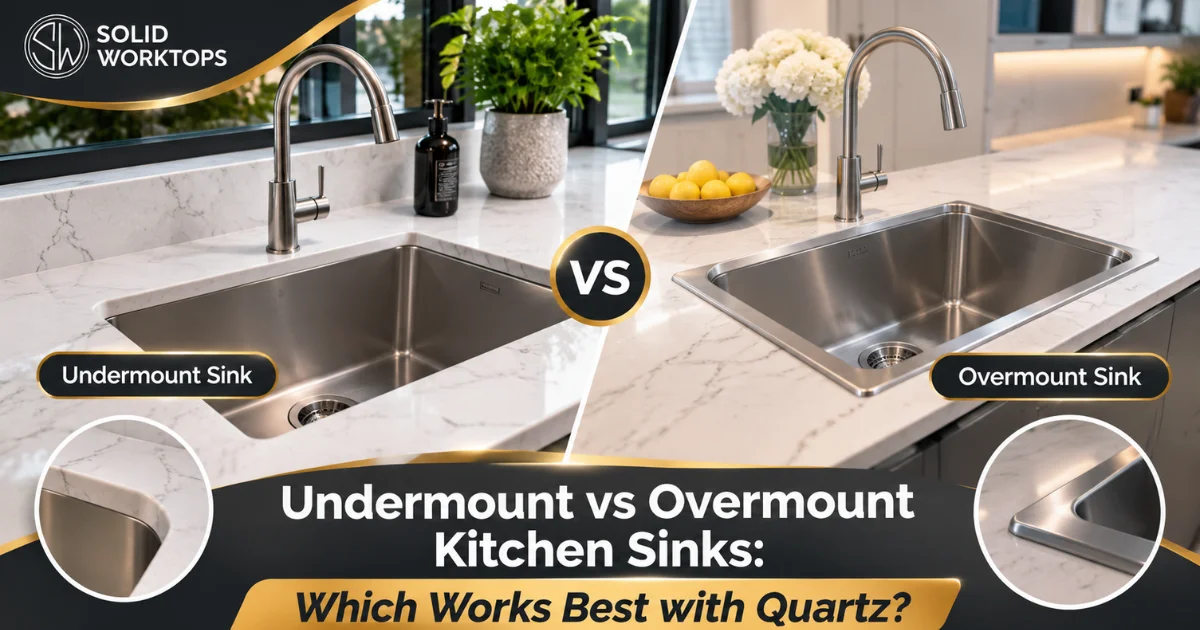
Check sink compatibility: Choose suitable materials for undermount, inset, or integrated basins.
Compare durability: Consider daily exposure to water, heat, scratches, and household chemicals.
Review maintenance: Check cleaning instructions, sealing requirements, and repair options.
Calculate installation costs: Include fabrication, templating, delivery, fitting, and finishing.
Check warranties: Confirm product limitations and manufacturer-approved installation methods.
Which Worktop Is Best for Kitchens and Bathrooms?
Quartz is one of the best all-round worktop materials for both kitchens and bathrooms because it combines durability, stain resistance, and easy maintenance. Granite is ideal for natural stone kitchens, while porcelain offers excellent resistance to heat and moisture.
Solid surface worktops are particularly suitable for bathroom vanities with integrated sinks, and laminate remains practical for budget-conscious kitchen renovations.
The right worktop should match the room’s daily demands, your preferred design, and your total installation budget. Prioritise water resistance in bathrooms and a suitable balance of heat, scratch, and stain resistance in kitchens.
Solid Surface For The Bathroom And Kitchen Worktop:
Corian and Tristone worktops are non-porous and suitable for kitchens and baths. Hygienic countertops repel germs, mold, and mildew and avoid spillage.
Design Flexibility: Corian and Tristone have many colours and designs. Options are available for traditional, elegant, contemporary, and daring designs. Corian may also be thermoformed, enabling inventive curved countertop designs.
What are the advantages of quartz worktops?
Quartz Worktops:
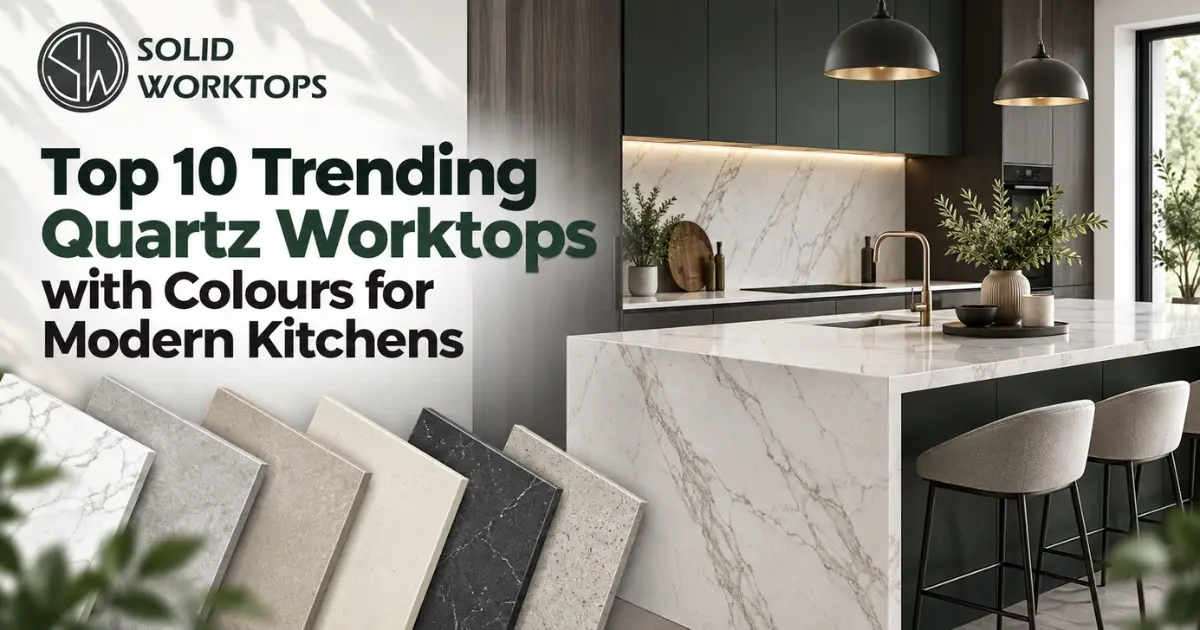
Quartz is a durable countertop material that resists scratches, chips, and splits, making it perfect for kitchens and bathrooms. It also resists microorganisms and stains and requires little upkeep. This product’s design flexibility provides a wide range of attractive choices. Quartz Worktops are also a popular choice for homeowners who want a stylish and practical surface.
Easy Maintenance: Quartz is low-maintenance. To look their best, quartz countertops require basic detergent cleaning. Its little upkeep makes it ideal for busy people. Like corian and tristone, quartz is non-porous and stain-resistant, suitable for kitchens and bathrooms with frequent spills.
Most standard kitchen worktop materials?
A good kitchen countertop can withstand hot pots, sharp knives, spills, and splatters. Granite, tritone, and marble are good choices. Each major candidate has pros and cons.
Granite: A classic, granite is heat-resistant, durable, and beautiful in numerous colours and patterns. Proper sealing is expensive to maintain water resistance.
Should I use granite in my kitchen?
Granite provides a luxurious, durable surface. Because of its weight and porosity, it requires structural support and periodic sealing.
Quartz is appealing because its non-porous surface resists stains and bacteria. It looks like stone but requires less maintenance and has numerous colours and patterns. Quartz prices like granite despite cracking and scratching.
Does Corian work in my kitchen?
Corian worktops are durable and modern, making them suitable for high-traffic kitchens. However, their weight and cracking risk require competent installation and maintenance.
Additional Kitchen Worktop Considerations:
- Thicker worktops feel stronger but cost more.
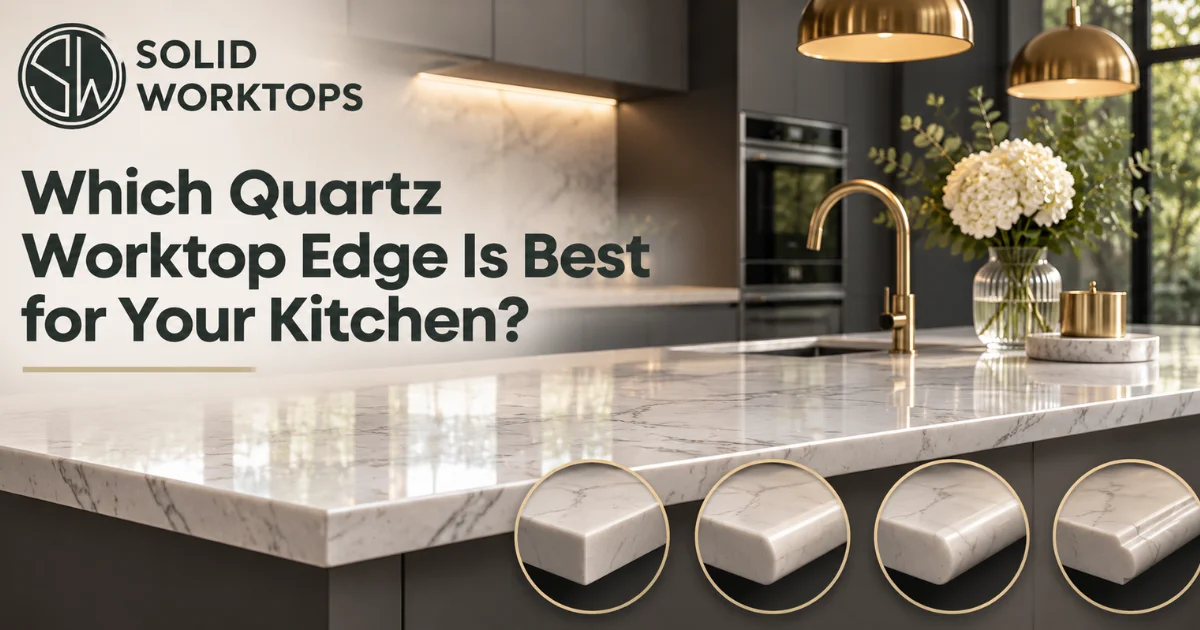
- The aesthetics of bullnoses or square edges.
- Consider your lifestyle and time commitment for countertop upkeep.
Top contenders revealed: bathroom countertops.
What matters most when choosing a bathroom worktop?
Worktops in bathrooms must resist moisture, mould, and mildew. Each of these top competitors has advantages:
Quartz: Like kitchen worktops, quartz is popular in bathrooms for its non-porous surface, stain resistance, and design options. Quartz looks beautiful and is easy to maintain and clean.
What are the benefits of quartz in bathrooms?
Quartz is simple to maintain, making it ideal for busy bathrooms. It prevents moisture and microorganisms, keeping it clean.
Surface solid: Corian, like quartz, is smooth, stain-resistant, and sink-integrated. It’s easy to modify and clean. Solid surfaces, however, are scratchable and expensive.
Should I use a solid bathroom surface?
Tristone and Corian are also great bathroom countertops for hygiene and easy maintenance. Non-porous surfaces are simple to clean and bacteria-free. Tristone is durable and stain-resistant, but corian has more colours and may be seamless or curved. Corian offers greater creative versatility, while Tristone shines in practicality. Pick the right bathroom countertop by prioritising cleanliness and convenience (Tristone) or design customisation (Corian).
Smooth, hygienic, solid surfaces enhance complex bathroom design. Consider their scratchiness and higher cost compared to alternatives.
Bathroom laminate worktops are inexpensive and customisable. They’re also easy to clean and maintain. However, like kitchens, laminate is less durable and may leak if not sealed at the edges.
What are the limitations of laminate in the bathroom?
Secondary bathrooms or those with less moisture may use laminate. Due to water damage, it requires careful installation and maintenance.
Natural Stone: Granite and marble are lovely bathroom worktop, but their porous nature requires periodic sealing to prevent discolouration and water damage. Acidic substances may etch.
Would my bathroom have a natural stone?
Natural stone bathrooms look timeless. However, their higher maintenance and etching danger make them suitable for less-used bathrooms or careful users.
More Bathroom Worktop Considerations:
- Size and shape: Workstation size and placement depend on bathroom size and layout.
- Sink Integration: Match your countertop, integrated, or under-mount sink to your vessel.
- Storage: Add drawers or shelves below the countertop in the bathroom.
Conclusion:
Choosing the proper kitchen and bathroom worktops influences performance and attractiveness. Understanding each material’s advantages and drawbacks and your lifestyle and design preferences can help you select a material for your dream kitchen and bathroom. There is no “best” worktop—it depends on your price, upkeep, and style.
This comprehensive guide has given you the information and considerations to buy worktops to design your kitchen and bath! Experts at Solid Worktops can provide a flawless finish, a perfect fit, peace of mind, time savings, and guidance. Working with a professional, you can design your dream kitchen and bath with stunning worktops that will be the focal point of your home for many years. See Solid Worktops Google review.